Real Patients. Real Results
Get Back to Doing More
Surrounding You With All-Inclusive Cancer Care
The diagnosis of cancer can be devastating for a patient and their family and loved ones. It’s with that in mind that Southcoast Health offers the specialty of the Southcoast Health Cancer Centers. At Southcoast Health, our skilled team of cancer care experts bring advanced technology, treatments and expertise to enhance the level of care available in the South Coast region.
We also want to make the burden of cancer easier on our patients and their families by helping to quickly coordinate services and offer support, such as nutrition counseling, social services and financial counseling.
It is our promise that no matter where you live in southeastern Massachusetts or Rhode Island, you and your loved ones will receive expert, compassionate and comprehensive cancer care. Learn more about our unique cancer care in Fall River and Fairhaven, MA by exploring the types that we treat, then find a doctor or physician practice near you to schedule a consultation.
Advanced Technology & Services
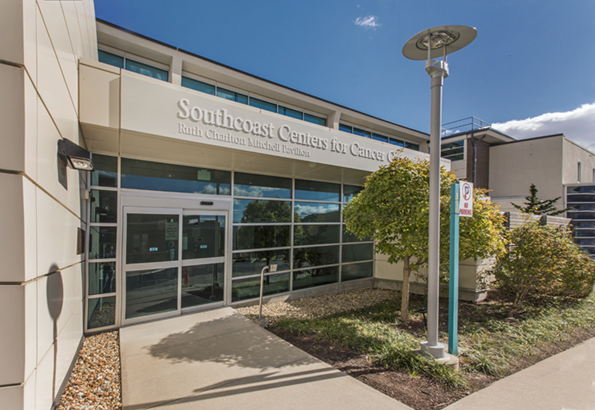
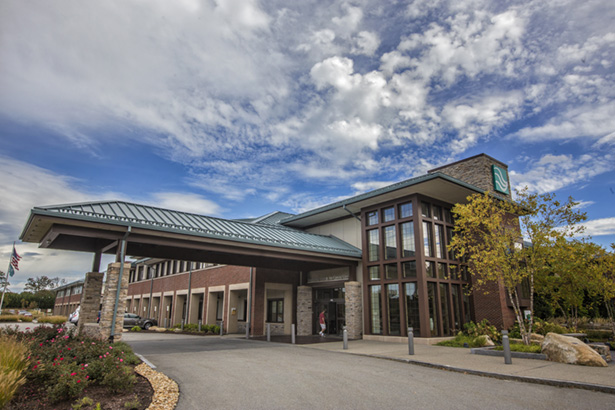
Our cancer centers feature the very latest technology in radiation therapy and medical oncology treatments to provide you and your family the best possible care.
Please note, masks are still required in certain areas of the Cancer Centers.
Southcoast Health’s cancer care services in Fairhaven and Fall River include:
- Advanced imaging (CT, PET/CT & MRI)
- Cancer support services, including patient navigation, nutrition counseling and social work
- Clinical trials
- Genetic risk assessment and testing on-site
- Gynecologic oncology
- High-dose rate brachytherapy
- Image-guided radiation therapy
- Medical oncology and chemotherapy/immunotherapy
- Molecular testing for advanced tumor types
- Oncology rehabilitation
- Specialty multidisciplinary clinics
- Stereotactic radiosurgery and stereotactic body therapies
- Surgical oncology
- Survivorship care
- Urgent cancer care in medical oncology
Our cancer care centers also offer the following amenities:
- Healthy beverages and snacks
- Free valet parking
- Free Wi-Fi
- Personal TVs in our chemotherapy treatment area
- Resource library
Cancer Screenings
Cancer screenings are the key to detecting your current risks for cancer, helping both you and your doctor plan a response in advance. Screenings can help detect cancer early and that is the best prevention.
Cancer screenings are designed to catch cancer at the earliest stage or even at a precancerous stage. Early detection is the best prevention.
Cancer screenings allow patients to make informed decisions. Even if you do not have cancer, it is still important to undergo a screening so that you are aware of your current and future risks for developing the disease.
Award-Winning Cancer Services
The Southcoast Health Cancer Centers have received the following recognition and awards:
- QOPI Certified Program®
- American College of Radiology certification in Radiation Oncology
- Screening Center of Excellence for the Lung Cancer Alliance
- Accredited by the American College of Surgeons Commission on Cancer
- American College of Radiology Committee on Radiation Oncology Practice Accreditation
- National Accreditation Program for Breast Centers
Browse our annual report to learn more about our awards and offerings:
Stories of Hope and Courage
“Cancer didn’t beat my spirit… I love life, I love living, and I love people.”
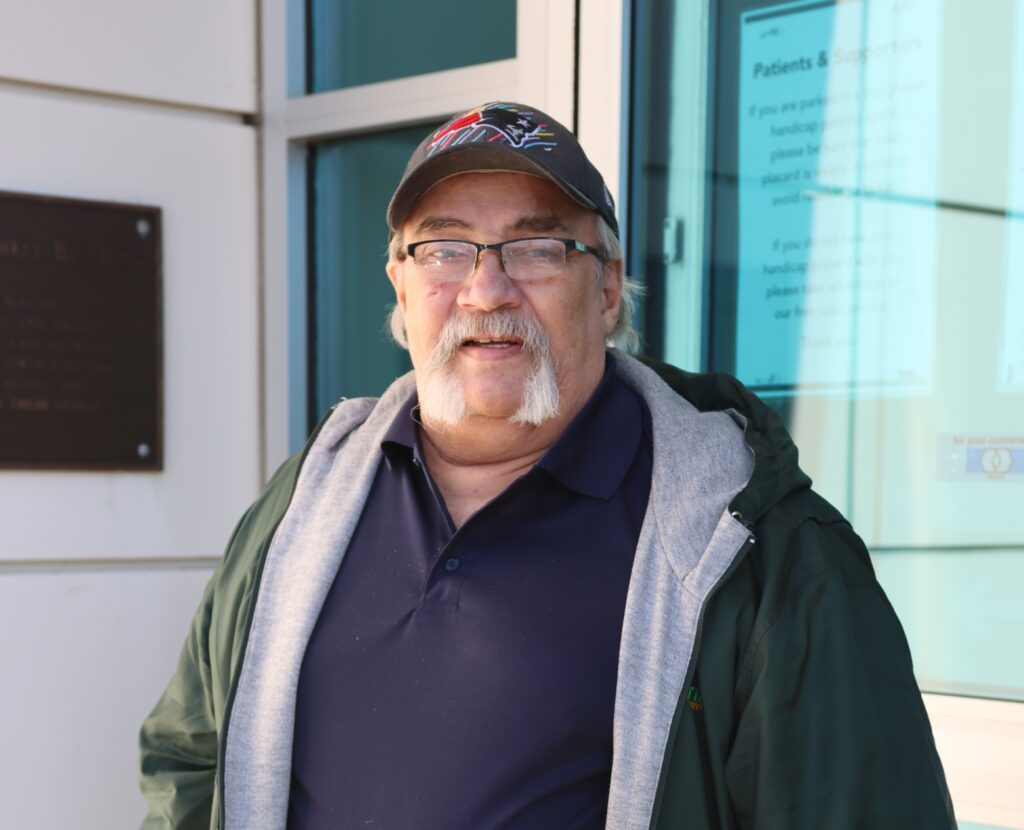
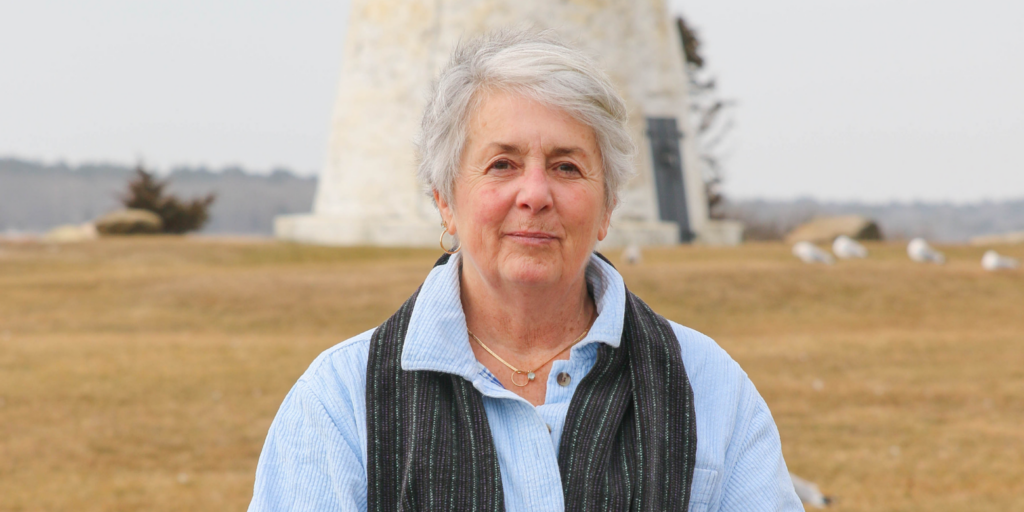
“Thanks to my care team, there was never anything I faced that I wasn’t prepared for… During one of my biopsies, a lovely nurse talked me through the procedure, while another rubbed my shoulder. Everyone there knew what I needed at that moment.”
“The doctors, technicians, nurse navigator, and, of course, my amazing breast surgeon, made me feel that I always had the support and was never alone. Their expertise, willingness to answer any question, and overall professionalism were instrumental to my recovery. As my radiation treatment ended, I felt that I was bidding a bittersweet farewell to friends.”
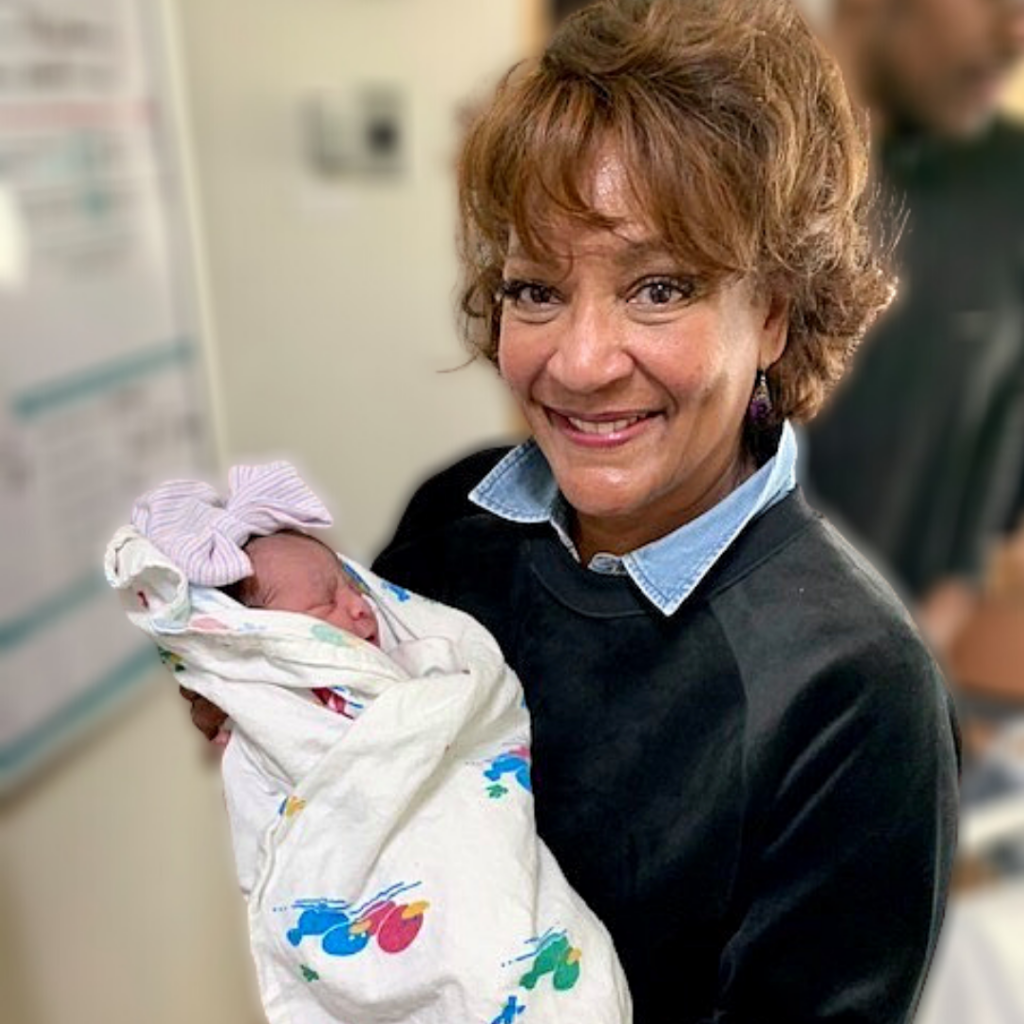
Southcoast Health Cancer Centers offer comprehensive cancer care services to patients in Fall River & Fairhaven, MA, as well as the surrounding areas of Rhode Island.