Real Patients. Real Results.
Learn about Justin’s Weight loss journey and his patient success story!
Weight Loss Services Available at our Fall River, Wareham & Hyannis, MA offices.
Our comprehensive services include everything from pre-op education to ongoing post-op support, and they are implemented by an expert team of physicians, surgeons, nurse practitioners, physician assistants, dietitians, licensed social workers and staff who have helped more than 8,800 patients.
- Non-surgical weight loss management
- Roux-en-Y gastric bypass surgery
- Laparoscopic sleeve gastrectomy
- Bariatric surgery revisions
- Support groups
Step-by-Step Surgical Weight Loss Program
Our patients at Southcoast Health go through a series of steps that are proven to ensure their success with our weight loss program:
- Step 1: Attend seminar or watch online
- Step 2: First office visit with surgeon
- Step 3: Check your insurance eligibility for criteria and any exclusions
- Step 4: Nutritional evaluation with dietitian (required)
- Step 5: Psychological evaluation (required)
- Step 6: Pre-op testing and medical clearance
- Step 7: Second office visit with surgeon or nurse practitioner
- Step 8: Pre-op Workshop (3 – 2 hour sessions)
- Step 9: Pre-op Educational Class
- Step 10: Office visit with weight loss surgeon
- Step 11: Surgery
- Step 12: Ongoing post-op support, including support groups
Body Mass Index is one helpful indicator to see if you’re eligible for weight loss surgery. Find out more about eligibility for our program.
The Southcoast Health Weight Loss Center provides a reliable weight loss program for patients in Fall River, Dartmouth, New Bedford and Wareham, MA areas, as well as nearby areas in RI.
Learn about Jo-ann’s Weight loss journey and her patient success story!
Learn about Dan’s Weight loss journey and his patient success story!
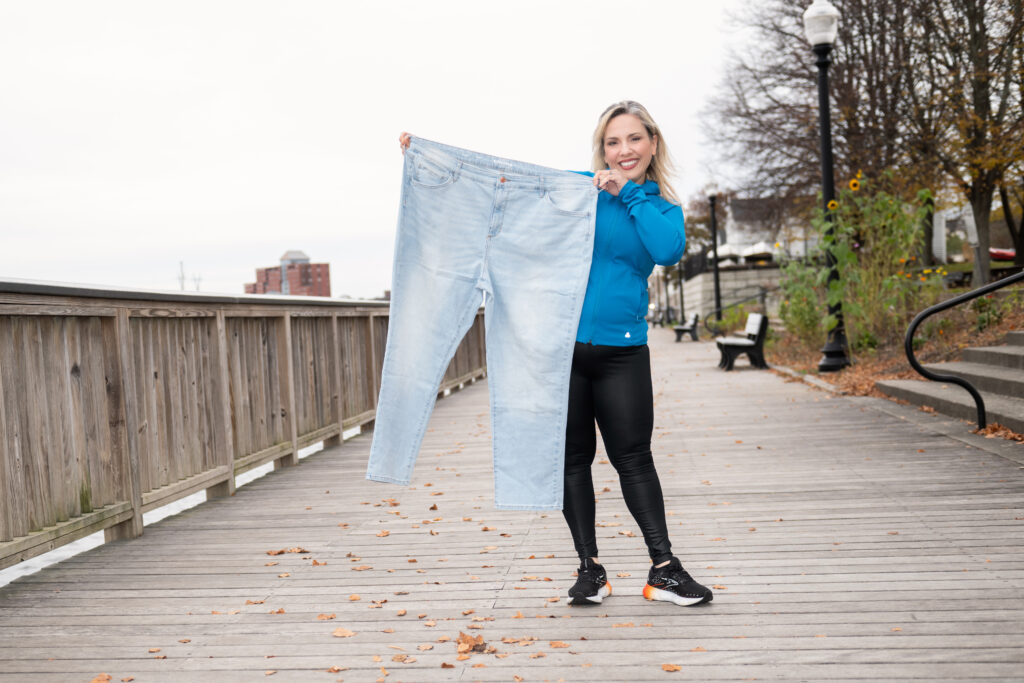
“I now have the confidence to be the person I really am.” –Michele
Read Michele’s story here.
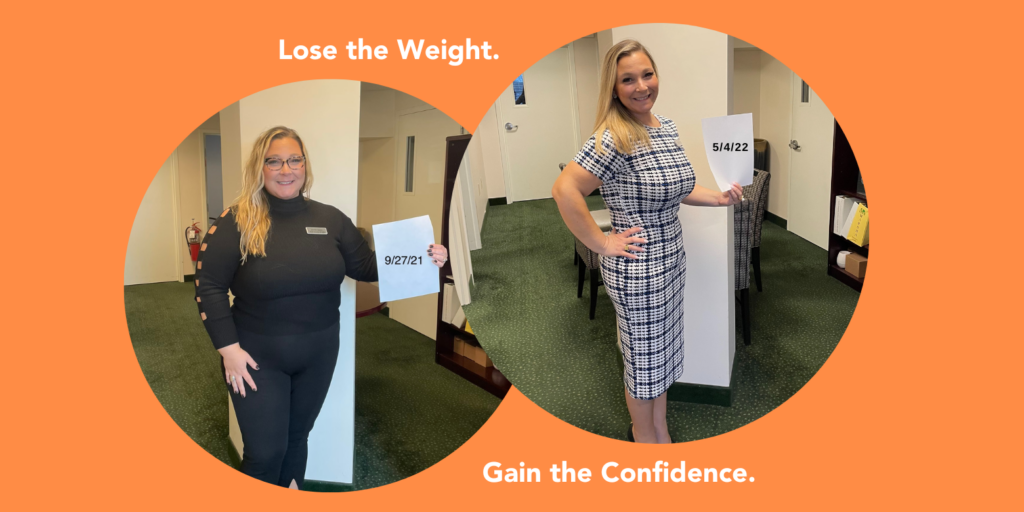
“I received so much support, it kept me motivated and on track for what was coming.” – Jennifer
Read Jennifer’s Story here.
“Weight loss isn’t one size fits all… Because the program was made for me, I lost 54 pounds in the first year by focusing primarily on diet.” – Jeanne
Read Jeanne’s story here.
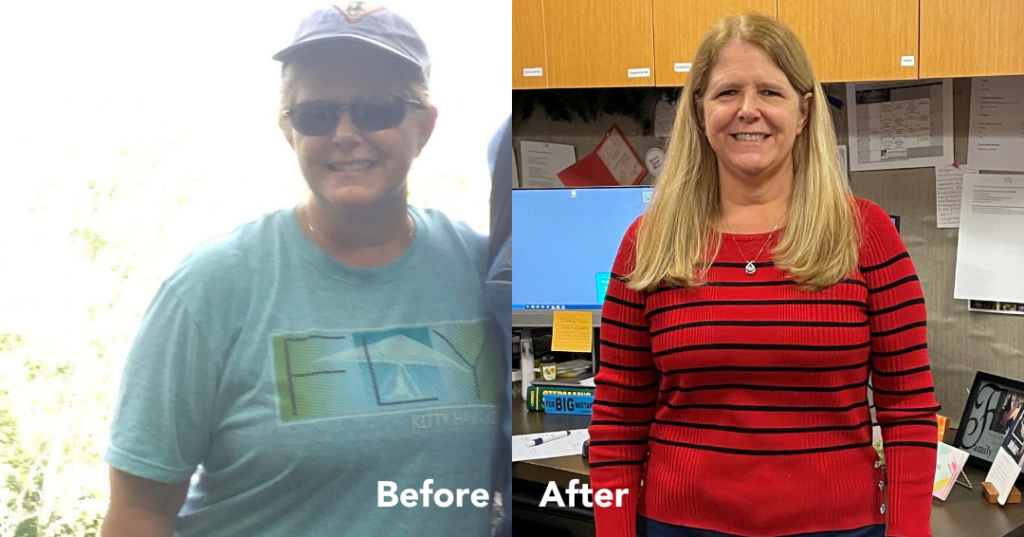
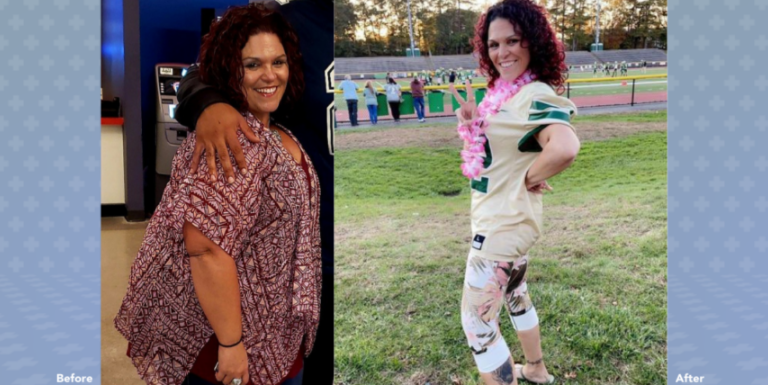
“It is possible to change, to succeed, and to love yourself. I feel really accomplished… I wish to motivate others to go for it if weight loss is their goal.” – Melissa
Read Melissa’s story here.