



Southcoast Health Menopause & Wellness Program
The goal of our specialized program is to help you better understand your health during these times and to help medically manage midlife and menopausal conditions to improve your quality of life.

The Region’s First Menopause & Wellness Program
We are proud to introduce the Southcoast Menopause & Wellness Program – the region’s first program dedicated to comprehensive, individualized care for women in their midlife and menopausal health transition. We understand that each woman experiences this time in their life differently. We have developed a dedicated collaborative team of providers whose goal is to help guide you through menopause safely and effectively.
Our team includes experts in gynecology and menopause, cardiovascular care, weight loss, osteoporosis, endocrinology, psychiatry and sexual therapy. We are excited to be the first collaborative menopause program in our region.

Stages of Menopause
Perimenopause
Perimenopause takes place a few years before menopause begins. At this time, the ovaries have started to make less of the hormone estrogen, with estrogen levels dropping quickly in the last one to two years of this stage. Perimenopause ends when menopause begins, during the time when the ovaries stop releasing any eggs. At this point, many women start to experience symptoms.
Menopause
Menopause officially begins when a year has passed since a woman’s last menstrual period. During this stage, the ovaries are not releasing any eggs and have dramatically decreased estrogen levels. The average age at which menopause begins is 51.
Postmenopause
The postmenopause stage begins after 12 months without a period and continues through the rest of your life. During this time, symptoms start to decrease for most women. Certain health risks can arise as women get older and women should continue to see their health care provider regularly.
Symptoms of Menopause
At Southcoast Health, we are here to listen to and help guide you through this transition. These signs and symptoms can help determine if menopause is approaching.
It’s important to note: Not every woman experiences the same symptoms – they can differ from woman to woman.
Decreased libido/sexual interest
Due to the loss of estrogen, the vaginal tissues thin and sex can become painful. Changes in your body can also impact your desire for sex.
Depression/anxiety/mood swings
Symptoms vary from mild irritability to severe depression, anxiety and rage. If you are feeling like harming yourself or others, please reach out to your healthcare provider.
Fatigue/sleep disruption
Due to changing levels of estrogen, progesterone and cortisol, many women experience sleep disruption during perimenopause and menopause. It can also be due to night sweats, but also can happen without experiencing night sweats.
Hot flashes/night sweats
The brain’s response to low estrogen levels can cause a hot flash or night sweat, also known as vasomotor symptoms. Women can experience hot flashes for 7-10 years after their final period.
Osteopenia/osteoporosis
Around the time of menopause, rapid bone loss occurs. Women need to make sure they are getting enough calcium, vitamin D and weight bearing exercise.
Painful intercourse/vaginal dryness
Loss of estrogen causes thinning of all the tissues of the vagina and vulva. This can lead to a variety of symptoms such as burning and severe pain with intercourse.
Sore/achy joints
Many women feel stiffness in their knees, feet, hands and hips during the menopausal transition. Menopausal hormone replacement can improve symptoms.
Treating Menopause
There is no cure for menopause, as it is a natural part of aging in women. But there are different treatment options to help with symptoms that may be disruptive to your quality of life. One of those options is hormone replacement therapy (HRT) for those who are experiencing moderate to severe symptoms. This involves estrogen therapy, which comes in different forms such as a pill, patch, vaginal ring, or gel. However, although it is effective, HRT may not be for everyone, and should be discussed with your doctor.
Other strategies that can help you manage your menopause symptoms include the following:
- Stay cool during hot flashes by wearing layers and drinking a cold glass of water. Also, try limiting what may be causing your hot flashes, such as spicy foods or caffeine.
- Keeping your room cold and turning on your fan will decrease night sweats. Always have an ice pack handy in case you need it.
- Develop a nightly routine and overall sleep schedule. You also want to avoid caffeine and alcohol, which can interrupt your sleeping patterns.
- Exercise regularly and eat healthy to keep an active lifestyle that helps you maintain your weight.
- Stay relaxed by developing techniques that promote relaxation, such as guided imagery or deep breathing. There are many forms of media that can also help you find the relaxation technique that works for you.
- Use vaginal lubricants and moisturizers to ease vaginal dryness by using vaginal lubricants and moisturizers.
- Manage your bone health to avoid risks of osteoporosis by finding out your bone density status.

Meet Our Team
Our team of dedicated health professionals from a range of specialties come together to create the Menopause and Wellness Program Team. With the same mission to help women in the south coast region navigate the challenges of menopause, these different specialties unite to address each aspect of this important life transition with compassionate care and expertise.

Southcoast Health Obstetrics and Gynecology
543 North Street
New Bedford, MA 02740
508-973-2208

Southcoast Health Obstetrics and Gynecology
100 Rosebrook Way
Wareham, MA 02571
508-973-2208

Southcoast Health Cardiology
1076 North Main Street, 2nd Floor
Providence, RI 02904
401-273-2460

Southcoast Health Weight Loss
100 Rosebrook Way, 3rd Floor
Wareham, MA 02571
508-273-1850

Southcoast Health Rheumatology
235 Hanover Street
Fall River, MA 02720
508-973-1730

Southcoast Health Obstetrics and Gynecology
100 Rosebrook Way
Wareham, MA 02571
508-973-2208

Southcoast Health Cardiology
1030 President Avenue
Fall River, MA 02720
508-973-9700

Accepting New Patients
Southcoast Health Endocrinology
2444 East Main Road
Portsmouth, RI 02871
508-973-1750

Southcoast Health Obstetrics and Gynecology
300 Hanover Street Suite
Fall River, MA 02720
508-973-2208

Southcoast Health Obstetrics and Gynecology
543 North Street
New Bedford, MA 02740
508-973-2208
Our Location
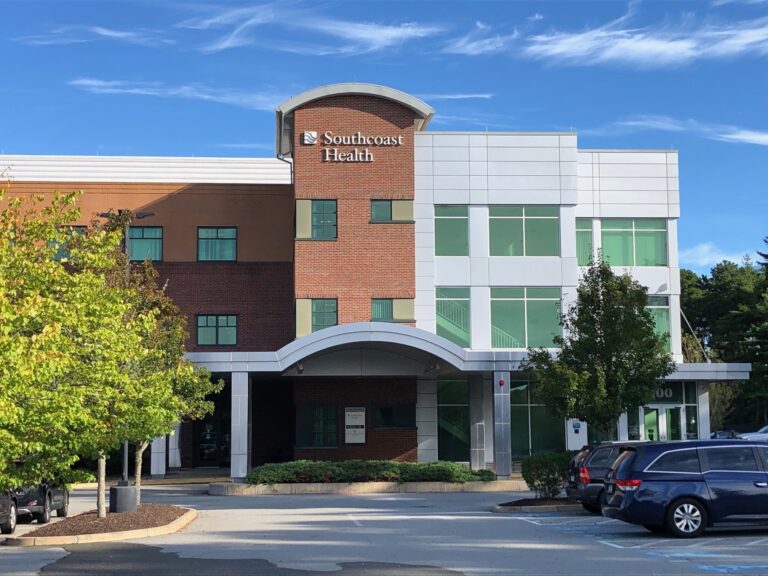
100 Rosebrook Way
Wareham, MA
02571
Wareham, MA
02571
