



Broken Bones

Come to Southcoast Health with Broken Bones in the South Coast Region
Bones are strong and can bend somewhat in response to pressure. But, when the pressure exceeds a bone’s ability to withstand it, the bone can break or fracture. Each year, about six million Americans will break a bone.
If you’re not sure if it’s a break, a sprain or something more serious, come to your nearest Southcoast Health Urgent Care location for fast and effective medical care across southeastern Massachusetts.
Types of Fractures
There are many different types of fractures, including:
- Complete fracture, when a bone breaks in two pieces
- Comminuted fracture, when a bone is crushed or breaks in three or more pieces
- Compound or “open” fracture, when a fracture breaks the skin; bone fragments may stick out through the skin
- Stable fracture, when bone pieces line up or are barely out of place
- Displaced fracture, when bone pieces do not line up and are out of place
- Stress or “hairline” fracture, when a bone is cracked but not broken all the way
- Transverse fracture, a horizontal break across the bone
- Oblique fracture, an angled break across the bone
Most broken bones are a temporary inconvenience and heal without problems over several weeks. Some are more serious and require lengthy healing and rehabilitation.
Broken Bone Symptoms
Common symptoms of a broken bone include:
- Bruising
- Deformity
- Difficulty moving the injured area or bearing weight
- Hearing a snap or grinding noise during the injury
- Pain or tenderness
- Swelling
Treatment Options at Southcoast Health Urgent Care
The basic principle of treating any broken bone is the same — put the pieces back into position and keep them there while the bone heals. For some fractures, this is a simple process; however, sometimes surgery is necessary.
Here are our common options for treating broken bones:
- A splint involves using a long strip of rigid material to reset and immobilize the bone, giving it time to heal.
- Cast immobilization holds a broken bone in place and protects the affected area while it heals.
- External fixation is surgery to place metal pins or screws in the pieces of bone. The pins or screws connect to a metal bar on the outside of the skin. This fixation system holds the pieces of bone in place while they heal.
- Open reduction and internal fixation are surgery options to reposition the bone pieces and hold them together with metal pins, screws or plates on the surface of the bone.
- Traction repositions bone pieces using a gentle pulling action.
You may need to schedule an appointment with a specialist to undergo external fixation, open reduction or internal fixation or traction.
For fractures that involve major joints, such as the hip or shoulder, joint replacement may be part of your treatment plan.
You do not need to have a Southcoast Health Primary Care Provider to visit one of our Urgent Care locations.
Locations
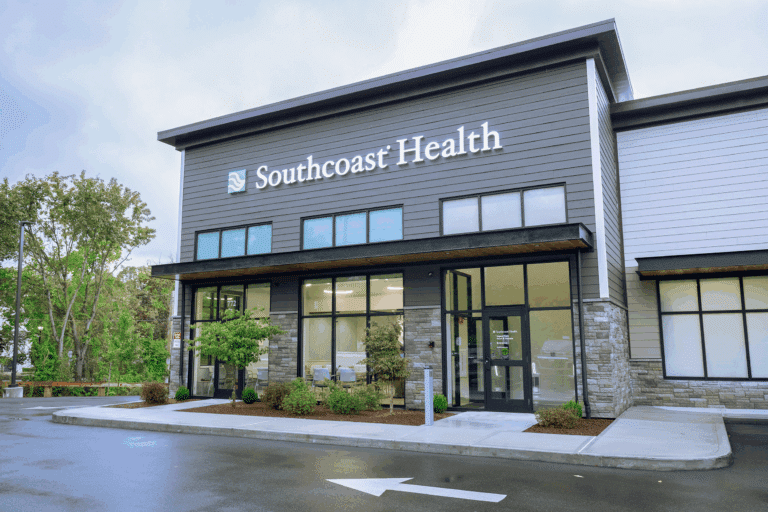
Urgent Care
772 County Street
Taunton, MA
02780
Taunton, MA
02780
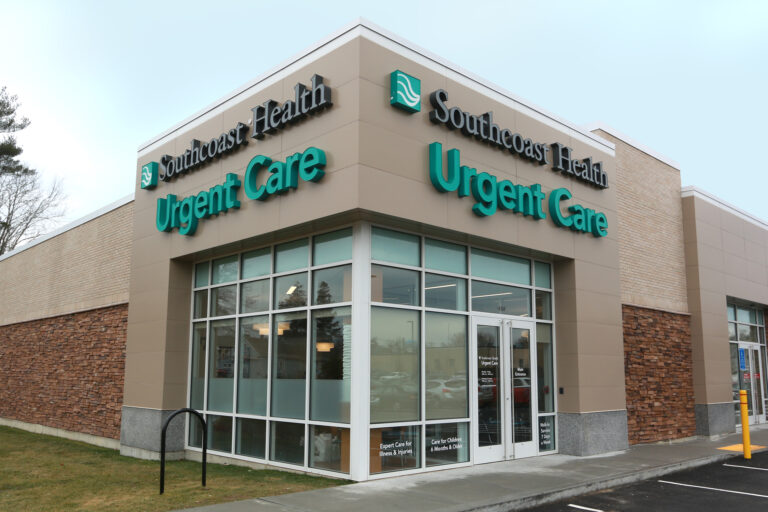
Urgent Care
435 State Road
Unit F
Dartmouth, MA
02747
Unit F
Dartmouth, MA
02747
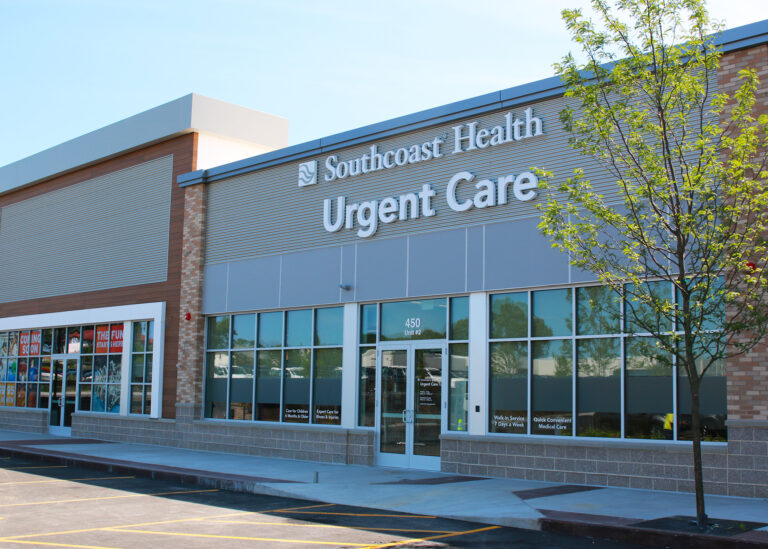
Urgent Care
South Coast Marketplace
450 William S. Canning Blvd
Fall River, MA
02721
450 William S. Canning Blvd
Fall River, MA
02721
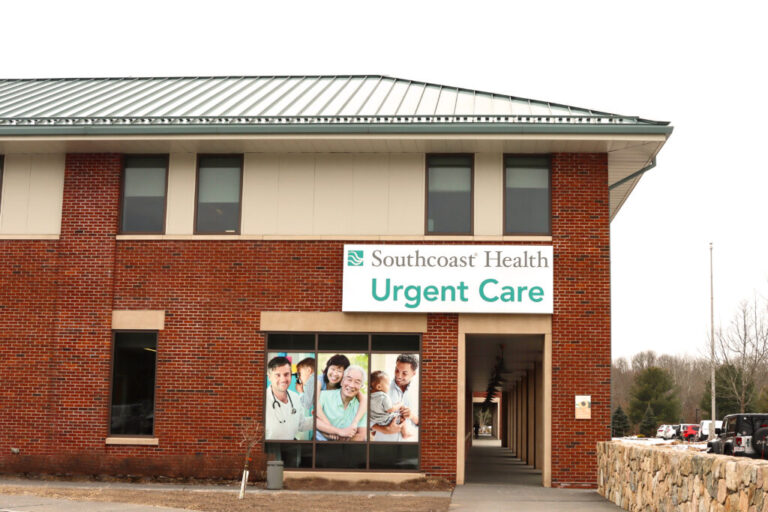
Urgent Care
208 Mill Road
Fairhaven, MA
02719
Fairhaven, MA
02719
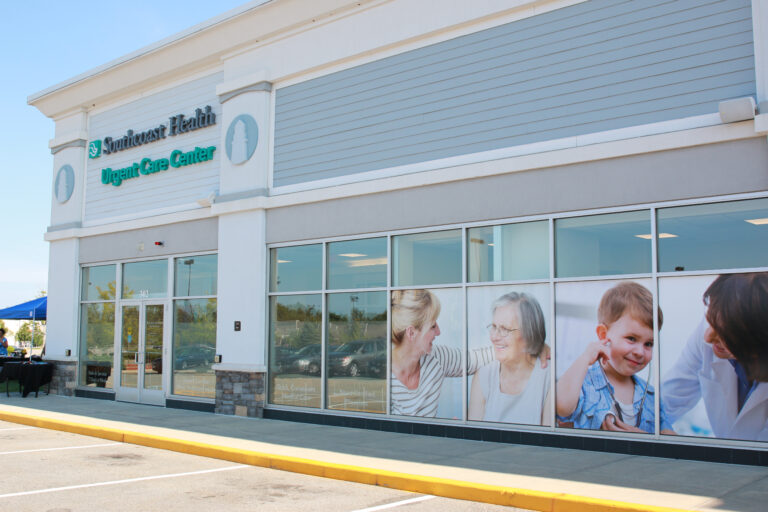
Urgent Care
Wareham Crossing
2421 Cranberry Blvd
Wareham, MA
02571
2421 Cranberry Blvd
Wareham, MA
02571
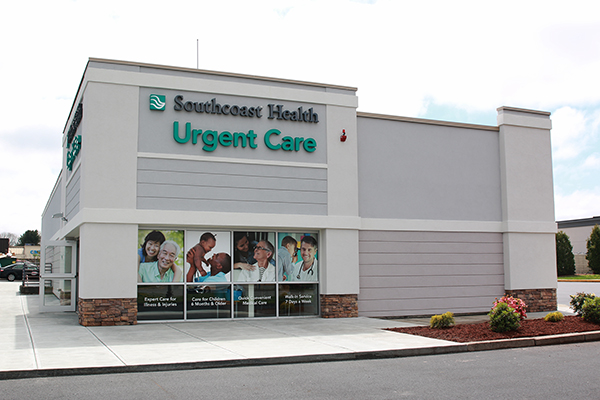
Urgent Care
Seekonk Square
39 Commerce Way
Seekonk, MA
02771
39 Commerce Way
Seekonk, MA
02771
