
Mayo es el mes de la concienciación sobre el ictus
 Southcoast Health
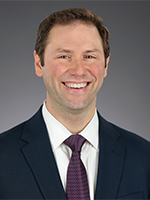
Daniel Sacchetti, DO
18 de mayo de 2026
May is Stroke Awareness Month – a time to share education about stroke treatment and prevention. This month, Dr. Daniel Sacchetti, Southcoast Health Stroke Director, shares important guidance about what a stroke is and how to identify the warning signs of this medical emergency.
The Southcoast Health Stroke Team consists of neurologists, neurosurgeons, radiologists and certified stroke nurses who are ready to provide advanced treatment around the clock.
¿Qué es un ictus?
Nearly 800,000 Americans have a stroke every year – that is approximately one every 40 seconds. A stroke is a serious medical condition that requires immediate care. Strokes occur when a blocked or torn artery interferes with the flow of oxygen-carrying blood to the brain. This can cause permanent brain damage, long-term disability, or even death if not treated quickly.
Taking Action
Strokes can affect anyone at any age, and when they happen every second counts. The sooner we can start treatment, the better chance a patient will have for a good recovery.
Warning signs of this condition include sudden numbness or weakness in the face, arms or legs, especially on just one side of the body. Sudden confusion, trouble speaking or talking, vision and balance changes, and/or an abrupt, severe headache are also common.
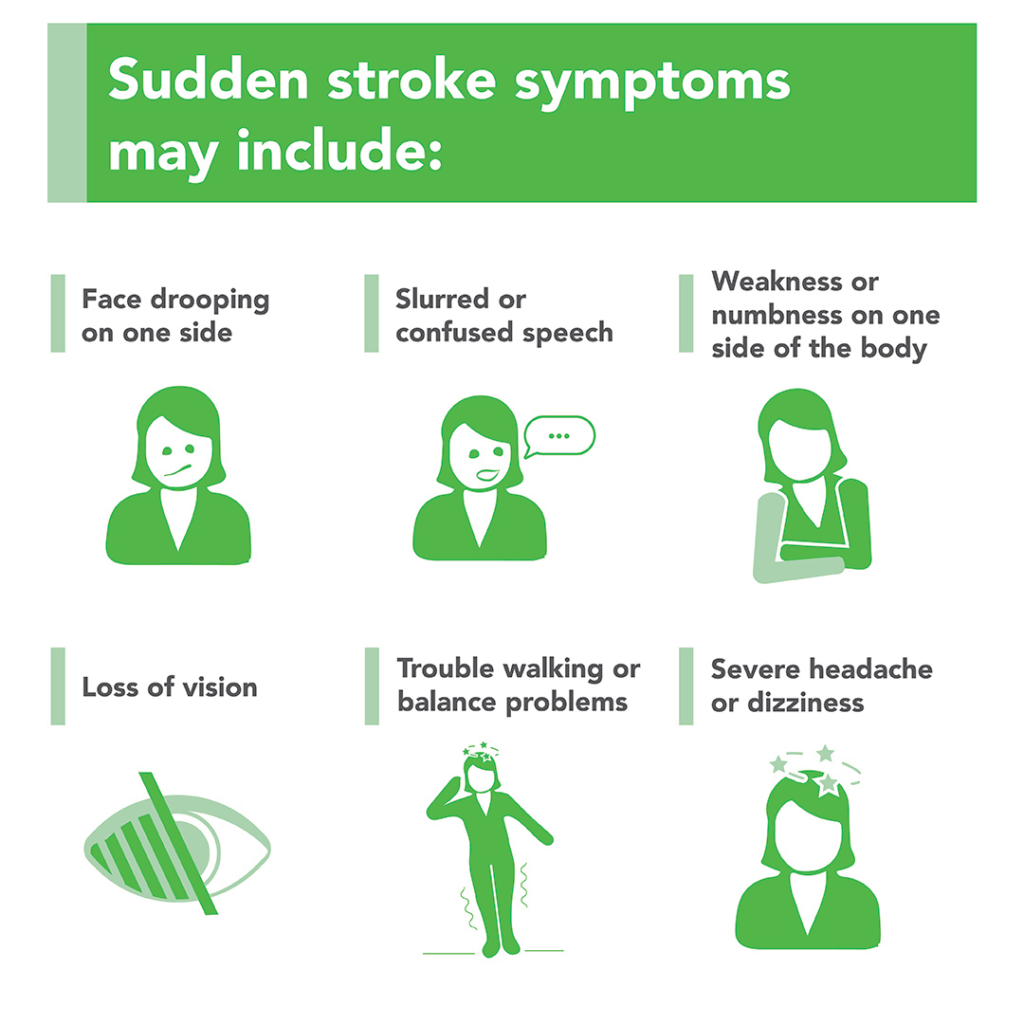
Remembering the acronym B.E.F.A.S.T. can help you detect if someone is having a stroke and quickly call 911.
- B – Balance Loss
- E – Eye (Vision) Changes
- F – Face drooping
- A – Arm weakness
- S – Speech difficulty
- T – Time to call 911
Calling 911 and getting stroke patients to the emergency department as soon as possible can help prevent severe disability and can even save a life.
Cuidados del ictus en Southcoast Health
Our award-winning stroke program is certified by the American Heart Association/American Stroke Association (AHA/ASA), and all three Southcoast Health Hospitals are Joint Commission Certified Primary Stroke Centers.
Along with providing comprehensive care across the region, this team works closely with local community partners to provide education about how everyone can spot the signs of a stroke and help reduce their risk of stroke with simple lifestyle changes.
Some simple changes you can make to reduce your risk of stroke include:
- Ensuring your blood pressure is well controlled
- Quitting smoking and reducing alcohol consumption
- Maintaining a healthy weight
- Eating a healthy diet
- Getting enough sleep
- Taking all your prescribed medications
- Exercising for 30 minutes a day, five days a week
- Talking with your healthcare provider about your stroke risk
Learn more about stroke care at Southcoast Health Brain & Spine