



La rehabilitación pediátrica de Southcoast Health marca la diferencia para el niño y la familia de Lakeville
 Southcoast Health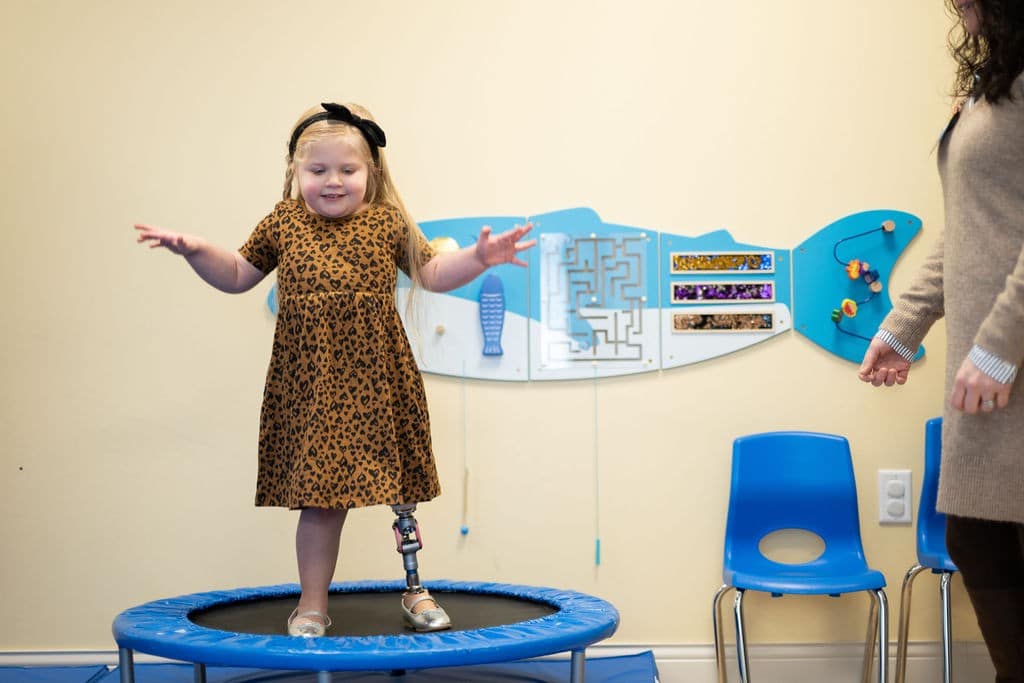
Genevieve McEachern es una niña entre un millón.
"Genny tiene una magia extraordinaria", dice su madre Kara, una conocida vocalista que trabaja como Directora Ejecutiva de la Orquesta Filarmónica de Plymouth. "Ilumina una habitación esté donde esté".
Pero es algo más que una personalidad alegre y segura de sí misma lo que hace especial a esta niña de Lakeville de cuatro años.
Nació con una enfermedad muy rara llamada hemimelia tibial, una malformación de la tibia izquierda que le dejó un pie zambo grave, un dedo gordo duplicado y la falta de un mecanismo extensor de la rodilla que le impedía patear o extender la rodilla. Pero gracias a los cuidados de los cirujanos y fisioterapeutas de Rehabilitación Pediátrica de Southcoast Health, Genny tiene un futuro brillante.
La hemimelia tibial sólo se da en unos cuatro de todos los nacimientos al año en Estados Unidos. Kara y su marido, Michael, lucharon con las posibles opciones de tratamiento para Genny, que también nació con un solo riñón y una malformación cardiaca, afecciones que no requerían tratamiento especial, pero que los médicos vigilan.
"Mi marido y yo sabíamos que tenía que vivir con la decisión que tomáramos", dice Kara.
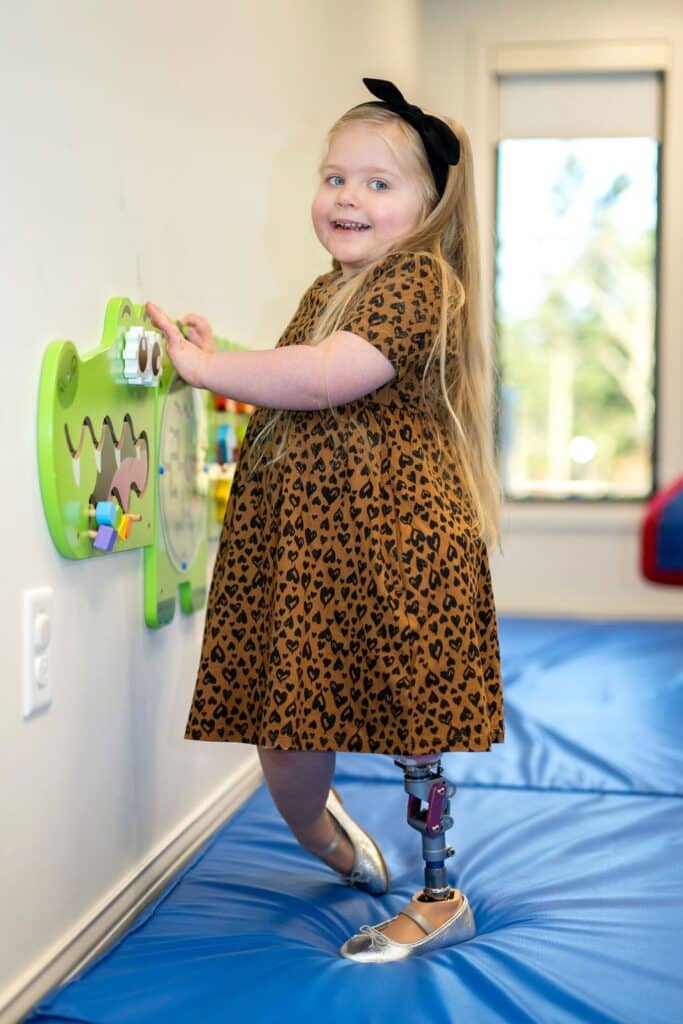
Cuando Genny tenía 10 meses, la operaron de desarticulación, es decir, le amputaron la pierna izquierda por la rodilla.
"La pérdida de extremidades es algo muy importante", dijo Kara. "Tuvimos mucho cuidado al tomar esa decisión". Fue una decisión que creyeron que daría a su hija la mayor oportunidad de tener una vida plena y mejor. "Hasta ahora estamos contentos con esa decisión".
Un mes después de la operación, a Genny le colocaron una prótesis de pierna recta -la primera de las nueve prótesis que ha llevado- y comenzó la fisioterapia en Southcoast Health Pediatric Rehabilitation, que ahora se encuentra en nuestras nuevas instalaciones de Acushnet Avenue, en New Bedford.
"Es maravilloso poder acceder a todos los cuidados que tienen allí", dice Kara.
Una vez a la semana, Genny trabaja durante 45 minutos con Riley Brandso, que ha sido su fisioterapeuta desde el principio y coordina el tratamiento con los terapeutas de la escuela primaria de Freetown, que trabajan con Genny dos veces a la semana para que pueda desplazarse por la escuela.
"Riley es maravillosa con los niños y la presiona de una manera que es amable", dice Kara. "Cosas que damos por sentadas como adultos móviles, eso es lo que ellos trabajan. Genny tiene objetivos que cumplir, como doblar la rodilla, subir y bajar escaleras y ponerse en cuclillas un determinado número de veces. Ahora sí que puede moverse".
Genny no tiene reparos en hablar de sus retos.
"Nada la detiene. Es muy ambiciosa. Fue a una fiesta de cumpleaños y me pidió que le quitara la prótesis para poder gatear con los demás niños", cuenta Kara. "Cuando alguien siente curiosidad por su pierna, se acerca y le explica que lleva una prótesis porque no tiene pierna izquierda. Te habla como si fuera adulta. Está muy por encima de su edad".
Genny necesitará una prótesis nueva cada 4 o 9 meses a medida que crezca, debido a los rápidos cambios que experimenta su cuerpo. Cuando alcance la edad adulta, necesitará una prótesis nueva cada tres años aproximadamente. Además de su prótesis normal, también necesitará un dispositivo secundario con una cuchilla para correr, que es esencial para que Genny pueda correr. Se calcula que el coste de la cuchilla oscila entre 1.400 y 1.400 millones de euros.
Michael y Kara colaboran con So Every BODY Can Move, una organización nacional de defensa de los derechos de las personas con discapacidad, para abogar por una legislación en Massachusetts que obligue a las aseguradoras a cubrir el coste de las prótesis y órtesis específicas para cada actividad. Estos dispositivos son esenciales para que las personas con discapacidad puedan participar con seguridad en actividades físicas y recreativas. Sin ellos, la actividad puede ser insegura o imposible, y el uso de una prótesis de uso general para actividades de alto impacto puede provocar daños, aumentando los costes a largo plazo para las aseguradoras.
Para apoyar la causa, Kara llevó a Genny a la State House de Boston para reunirse con los legisladores y defender la legislación. Molly, la hermana mayor de Genny, es también una parte importante de su sistema de apoyo: una fuente constante de amor, risas y ánimos en casa.
"Michael y yo queremos que nuestras hijas puedan hacer lo que quieran", dice Kara. "No hay muchos niños que lleguen a trabajar con rehabilitación pediátrica, en lugar de con servicios para adultos. Somos muy afortunados de tener estos servicios en nuestro patio trasero."
Para obtener más información sobre los servicios de rehabilitación pediátrica de Southcoast Health, visite southcoast.org/localizaciones/rehabilitacion-pediatrica.
