
Plan for a Healthy Start at Southcoast Health
Planning for children is a special time for families. Each of the nearly 3,500 annual births at Southcoast Health is as special as the new family that results.
With our wide array of locations and services, we are able meet just about any birth preference that a family might have.
Our maternity services in Fall River and New Bedford, MA offer a family-centered approach that provides the right combination of compassionate care and the latest technology. All of our hospitals offer extensive parenting and pregnancy-related classes and support groups.
Maternity Services Across Southeastern MA with Your Needs in Mind
Whether you’re looking for a reliable OB/GYN in New Bedford or a well-equipped birthing hospital in Fall River, Southcoast Health can help. We serve new moms and families in communities across the South Coast by giving them a trusted place to deliver their baby.
Our maternity programs offer:
- Baby-Friendly Designation
- Vaginal Birth After Cesarean (VBAC)
- Family Centered Cesarean (Gentle C)
- Comfortable, in-room accommodations for overnight visitors
- Infant security system
- State-of-the-art Level II nursery at Charlton Memorial Hospital and St. Luke’s Hospital
- All of our nurseries are staffed by Boston Children’s physicians
- Breastfeeding/lactation education and support
- Prenatal/family education
- Nurse midwifery program
- Couplet care program
- Hearing testing
- Experienced, caring staff
You can also check out our events calendar to stay up-to-date on community events, classes and educational opportunities. We also offer a blog full of helpful health tips and advice, such as how to exercise when you’re pregnant and how to prepare for having a child.
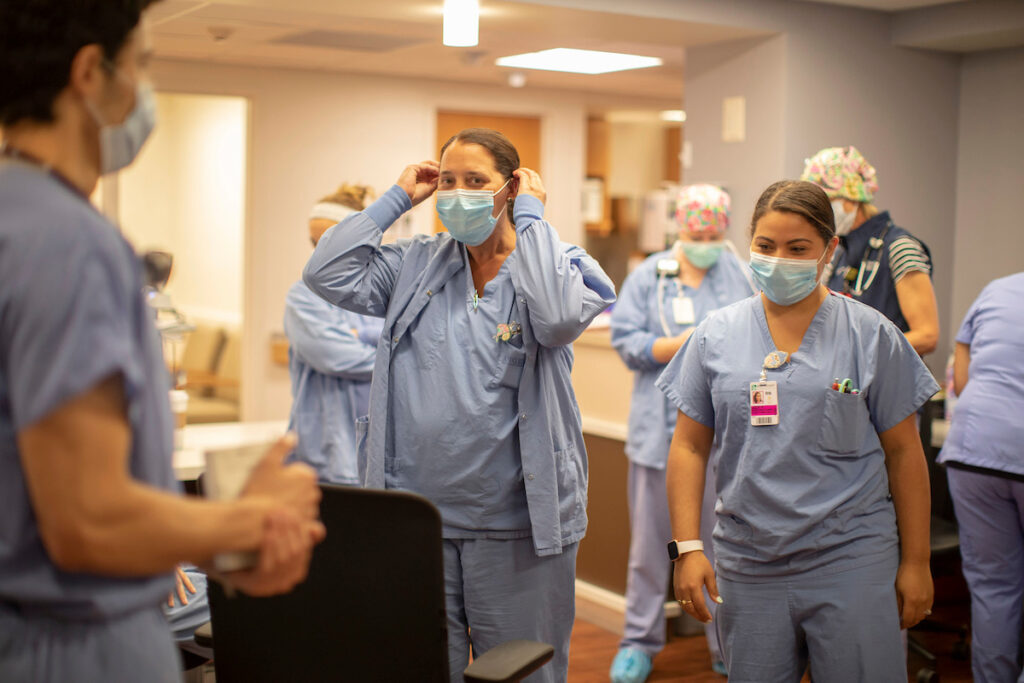
Find an OB Near You Today
Don’t wait to start creating your birth plan. Find an OB/GYN to schedule a consultation or a tour to learn more about our facilities and services. We look forward to serving you and your family!
Maternity Unit Virtual Tours
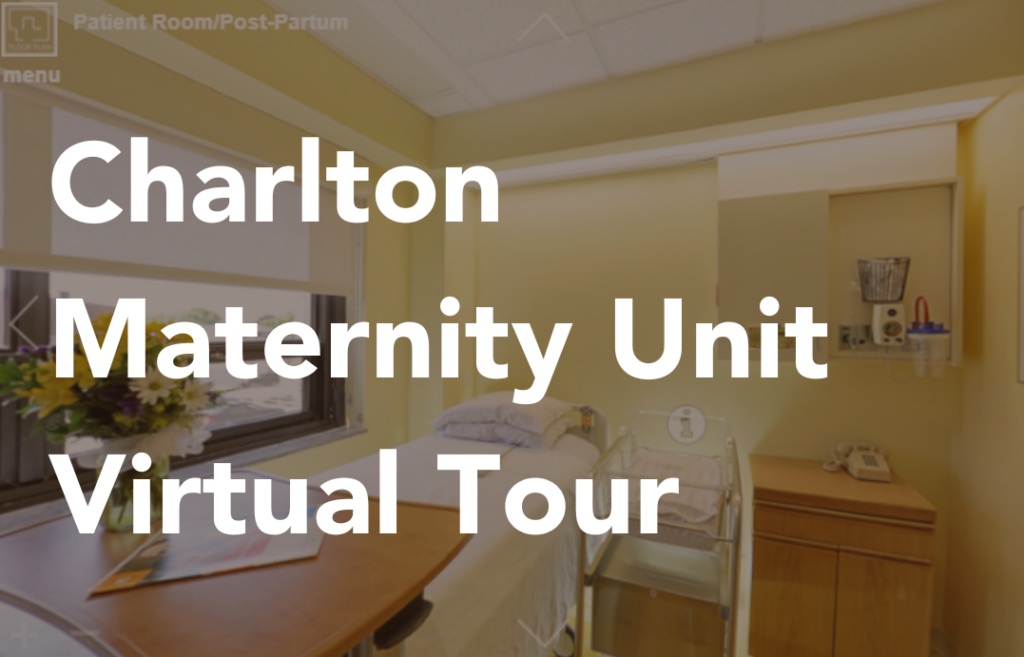
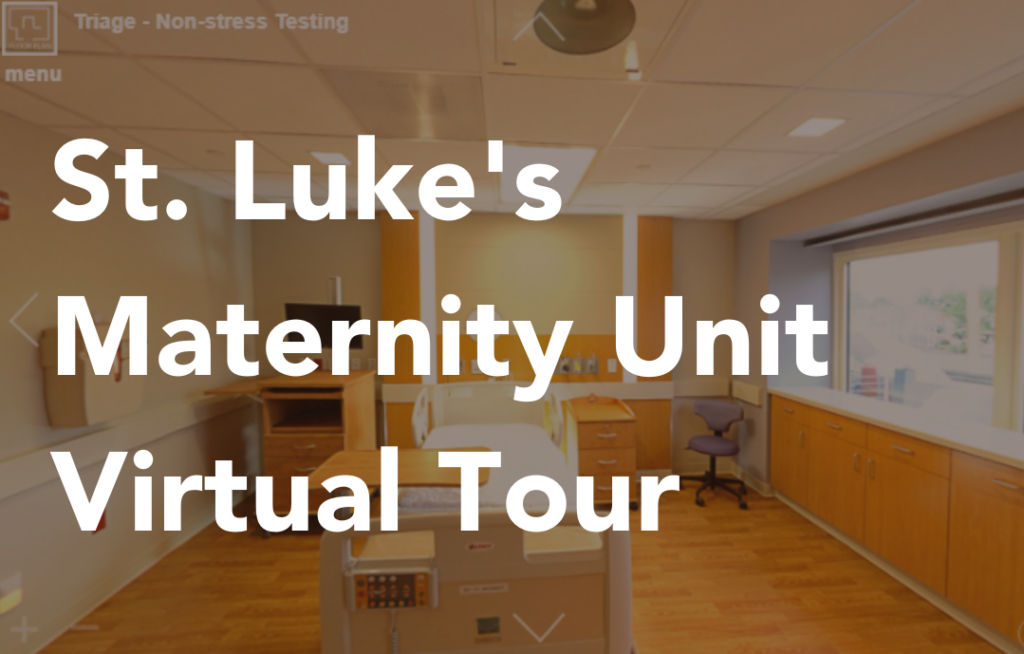
Southcoast Health is a premier provider of maternity services offered by a team of experienced OB/GYNs in Fall River and New Bedford, MA.